
Accessibility
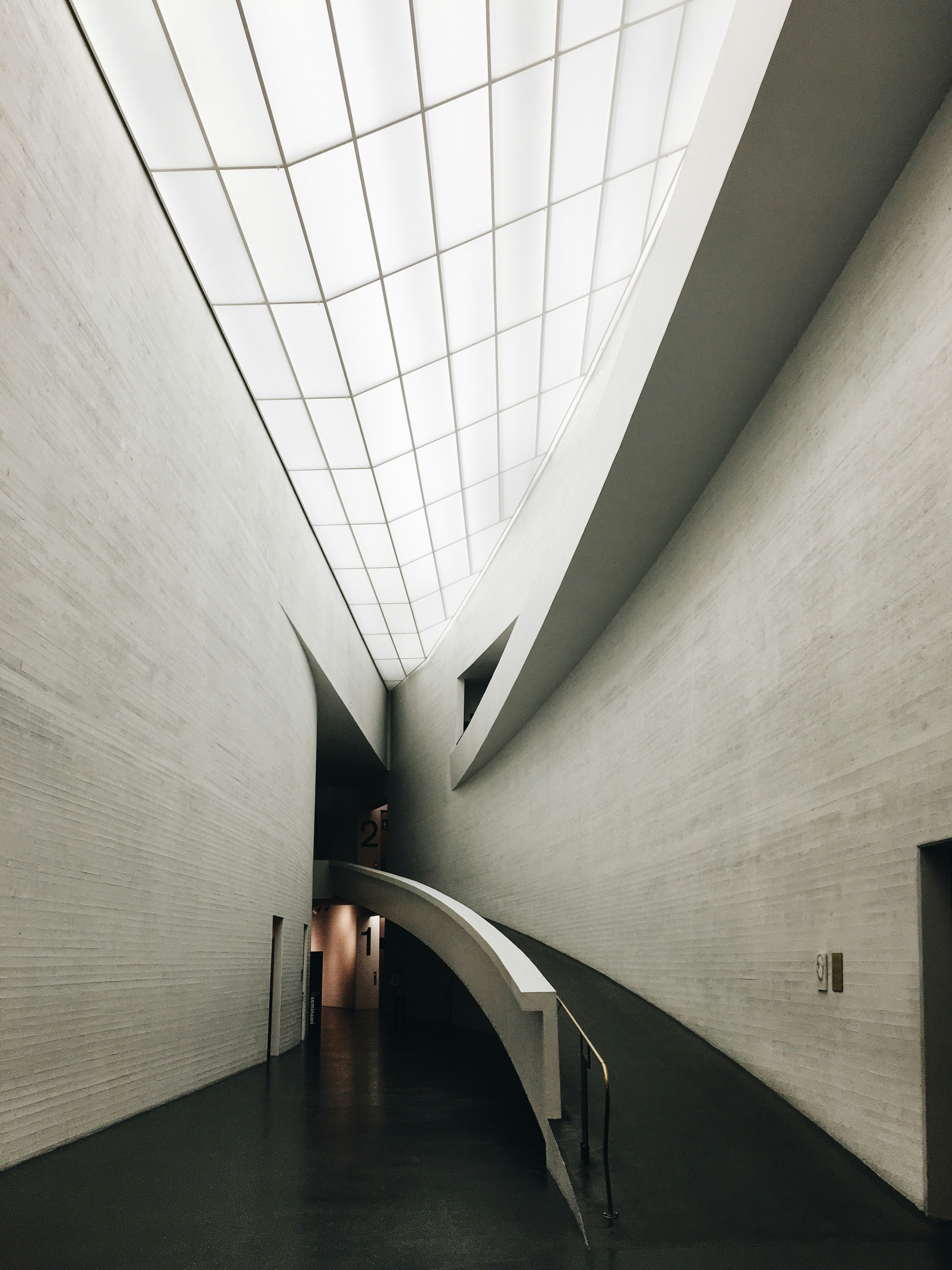
Kiasma Museum, Helsinki, Finland
What it means
The site is built so that its content is available to everyone, regardless of how they read it. Pages can be navigated by keyboard, work with screen readers, and hold up when text is enlarged or colours are overridden. Images carry text alternatives, headings follow a real structure, and contrast is set so that text stays legible in poor light or on a dim screen.
The standards behind it
The work follows WCAG 2.2 at level AA, the international guidelines published by the W3C, and BITV 2.0, the German regulation that applies to public bodies. The two overlap substantially — BITV takes its technical requirements from the same European standard that WCAG underpins — with BITV adding an accessibility statement and provision for plain language and sign language.
WCAG 2.2 / BITV (https://bitvtest.de/blog/detail/wcag-22-ist-da)